Guides · Marco Island, Florida
Living in Marco Island: What to Know
Marco Island's History: From Calusa to Dredge-and-Fill
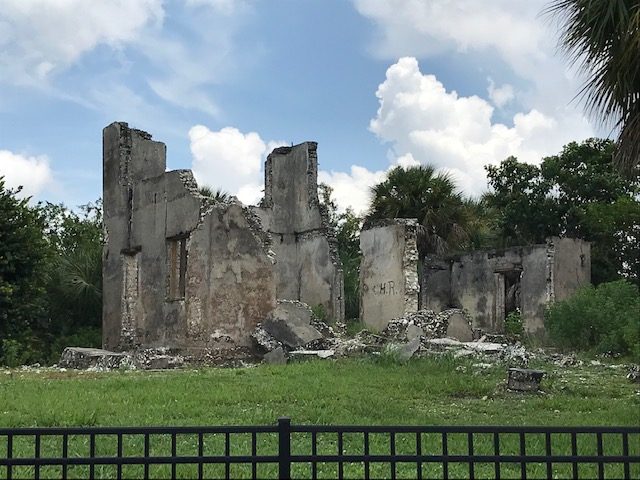
Marco Island is a place where a thousand years of Calusa presence and one decade of dredge-and-fill construction coexist in the same shoreline. To live here is to inhabit both timelines at once.
The Calusa made this their stronghold from about 500 CE, building shell mounds and canals across an archipelago that would one day bear their name. Then, in the 1960s, the Mackle brothers of the Deltona Corporation bought the land for $7 million and spent a single decade converting a Calusa island into a retirement and tourist destination. The modern island you walk on is largely their creation—dredged, filled, and sold lot by lot. It reincorporated as a city on 28 August 1997, but the physical transformation happened in that earlier burst of construction.
What that rapid development means for today's residents is a landscape where the ground beneath your feet has two separate biographies. The island's name long predates its development; the Key Marco name attaches to the archaeological site that made it famous. Keep these two histories distinct—the Calusa presence is not a prelude to the Mackles, and the Mackles did not inherit a blank shore. They bought land that had been inhabited for fifteen centuries, then reshaped it in ten years.
The Key Marco Cat and the Island's Ancient Past
The most tangible link to the pre-development island sits in the Marco Island Historical Museum, home of the Key Marco Cat. This small carved wooden figure was recovered in Frank Hamilton Cushing's 1896 expedition. It is one of the finest pre-Columbian artworks found in North America, displayed at the museum on loan from the Smithsonian.
The Cat outlived the people who carved it, the Calusa who lived here from about 500 CE until their world was upended. It also outlived the island they knew—the same shoreline the Mackles dredged and filled in the 1960s. To see it is to stand in a modern museum building and look at something made by hands that worked this ground a thousand years before anyone thought of a retirement community.
Marco Island's Year-Round Residents: Demographics and Lifestyle
The population of Marco Island is 15,998 people, with a median age of 67.7 years. That number tells you a lot: this is a retirement destination, not a young family town. The median household income is $104,105, and 47.9 percent of residents hold a bachelor's degree or higher. The unemployment rate sits at 4.2 percent.
But the year-round population is only part of the story. The island has 18,436 total housing units, and 9,264 of those are held for seasonal or recreational use. Another 10,003 units are vacant—a figure that makes sense only when you understand that many of those "vacant" homes are simply waiting for their owners to return for the season. The permanent community is a minority on its own island for much of the year.
Seasonal vs. Year-Round Living on Marco Island
The numbers demand a closer look. More than half of Marco Island's housing units—10,003 of 18,436—are vacant, and 9,264 are explicitly held for seasonal or recreational use. That means the island's infrastructure, services, and economy must accommodate a population that can double or triple in season, then vanish.
For year-round residents, this creates a particular rhythm. The island's services are sized for the peak, not the trough, and the community's character shifts dramatically depending on the calendar. The seasonal split also shapes the local economy: businesses depend on the influx, and the permanent population lives with the knowledge that their home is, for many of their neighbors, a second address.
The housing costs reflect this reality. The median home value is $866,200, and the median gross rent is $1,955. Those figures are not affordable for most working families. They underscore the island's role as a destination for those who can afford a seasonal or retirement home—not a place where the workforce necessarily lives.
Public Beach Access on Marco Island: Tigertail and Beyond
The island's built environment manages its limited public spaces carefully. Tigertail Beach is one of the island's two public beach accesses with parking and amenities. In a community where so much of the shoreline is private, these public access points matter. They are the places where the island's permanent residents and its visitors can actually reach the water without going through a gated community or a condo lobby.
What amenities Tigertail offers—parking, restrooms, and the like—are exactly what you would expect of a public beach in a developed barrier island. But the larger point is the scarcity. An island built in a decade, sold lot by lot, has relatively little public shoreline left. The public realm is the exception, not the rule.
Living With Marco Island's Archaeological Heritage
To live on Marco Island is to navigate a landscape where archaeological significance and modern real estate values occupy the same ground. The Calusa built shell mounds here; the Mackles built canals. The Key Marco Cat was dug out of the muck in 1896; today it sits behind glass in a museum, on loan from the Smithsonian, in a city that incorporated in 1997.
Residents live with both timelines. The island's name and archaeological fame predate the Mackle development by decades, and the modern city was built on top of—and sometimes out of—the Calusa past. This is not a conflict that resolves itself. It is a condition of living here.
Marco Island at a Glance: The Numbers Behind the Island
| Measure | Figure |
|---|---|
| Population | 15,998 |
| Median age | 67.7 years |
| Median household income | $104,105 |
| Bachelor's degree or higher | 47.9% |
| Unemployment rate | 4.2% |
| Total housing units | 18,436 |
| Seasonal/recreational homes | 9,264 |
| Vacant housing units | 10,003 |
| Median home value | $866,200 |
| Median gross rent | $1,955 |
The practical questions have clear answers. The population is 15,998 people, though the year-round number is effectively lower when you account for the 9,264 seasonal homes and the 10,003 vacant units. The Key Marco Cat is at the Marco Island Historical Museum, on loan from the Smithsonian. Its significance lies in its antiquity and craftsmanship—it is a specific artifact with a specific provenance, not a decorative trinket. The island became a developed community in the 1960s, when the Mackle brothers transformed it in a single decade. Housing costs are high—the median home value is $866,200—and vacancy rates are extreme, with more than half of all units sitting empty at any given time. Public beach access exists at Tigertail Beach, one of two such points on the island, with parking and amenities.
What is it like to live in Marco Island? It is to live on land that remembers being something else. The Calusa are gone, but their island remains, buried beneath a decade of dredge and fill. The Mackles are gone too, but their canals and subdivisions remain, housing a population that is older, wealthier, and more seasonal than almost anywhere else in Florida. Both timelines are always present. You just have to know where to look.
Common questions
- What is the history of Marco Island?
- The Calusa lived here from about 500 CE. The modern island was created by the Mackle brothers of the Deltona Corporation, who bought the land for $7 million and developed it through the 1960s. Marco Island reincorporated as a city on August 28, 1997.
- Where can I see the Key Marco Cat?
- The Key Marco Cat, a carved wooden figure from the 1896 Cushing expedition, is on display at the Marco Island Historical Museum. It's on loan from the Smithsonian and is one of the finest pre-Columbian artworks found in North America.
- What is the population and demographic makeup?
- The population is 15,998 people with a median age of 67.7 years. About 47.9 percent of residents hold a bachelor's degree or higher. The median household income is $104,105, and the unemployment rate is 4.2 percent.
- How many homes are seasonal or vacant?
- Out of 18,436 total housing units, 9,264 are held for seasonal or recreational use. Additionally, 10,003 units are vacant. This reflects the island's role as a retirement and tourist destination.
- What are the public beach options?
- Tigertail Beach is one of the island's two public beach accesses with parking and amenities. It's a key spot for visitors and residents to enjoy the shoreline.
- Is Marco Island a good place for day trips to nearby towns?
- Yes. Everglades City is 23 miles away, with the Everglades Seafood Festival. Arcadia (90 miles) has the All-Florida Championship Rodeo, and Okeechobee (109 miles) hosts the Speckled Perch Festival. Stuart, Sebastian, and Dade City also offer annual events.
Every business named above is one we hold a listing for, and every date traces to a source on our sources page. We do not describe menus, interiors or service we have not verified. Details change — confirm before you travel.