Guides · Marco Island, Florida
Wintering in Marco Island: A Seasonal Resident's Guide
How Marco Island Was Built in a Decade
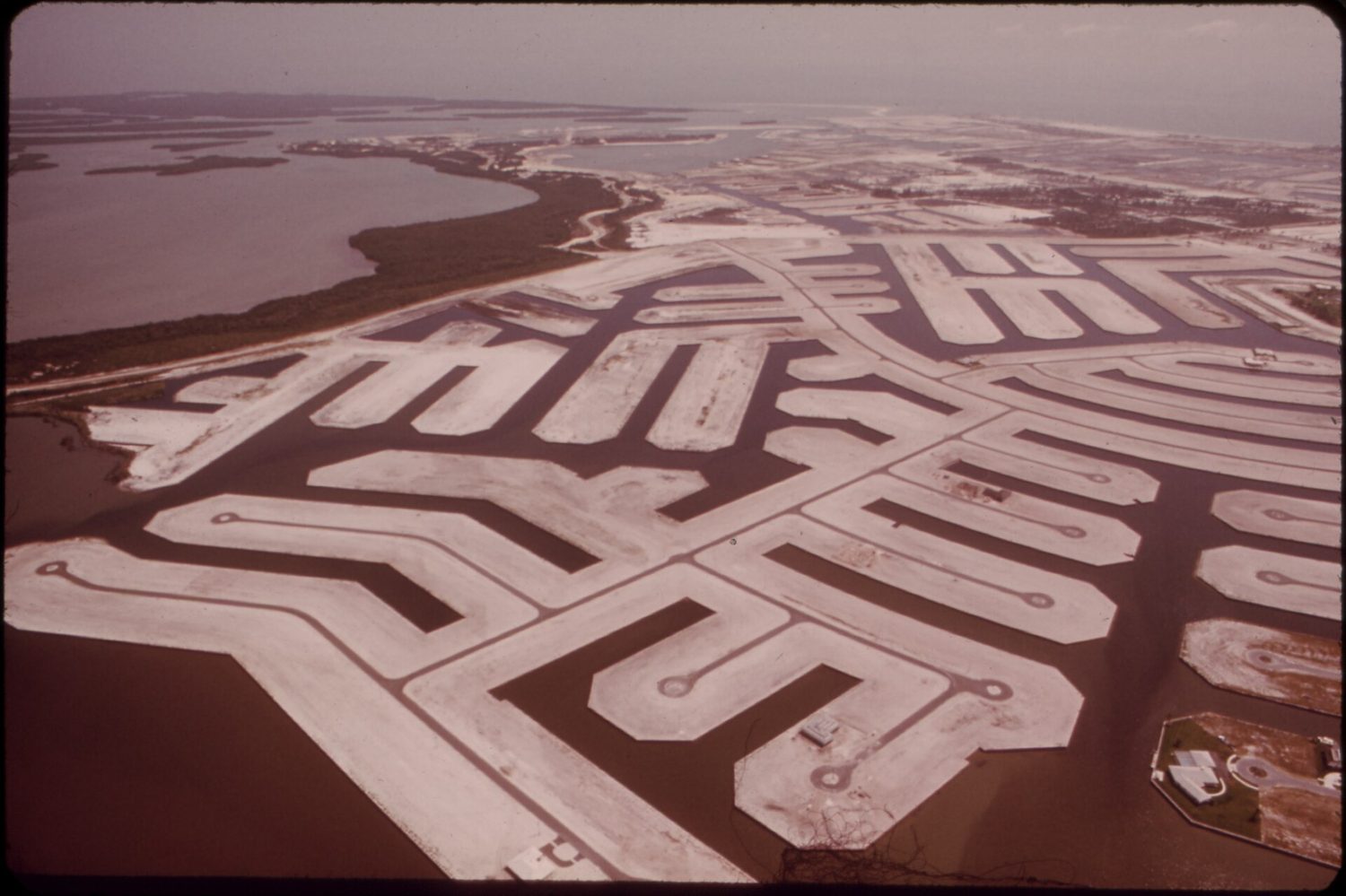
Five centuries of Calusa presence, then one decade of dredge and fill. That's the whole arc of Marco Island, and it sits right on the surface if you know where to look. The Mackle brothers of the Deltona Corporation bought the land for $7 million and spent the 1960s turning a shell-mound island into a grid of canals, condominiums, and golf courses. The island reincorporated as a city on 28 August 1997, but the bones of that single building decade are still what you walk on. Wintering here means accepting that the ground itself is recent—that the same land that held the Calusa for fifteen hundred years was reshaped in the span of a few construction seasons.
The Key Marco Cat and the 1896 Expedition
The Key Marco Cat is the island's true original resident, even if it predates everyone currently living here. Frank Hamilton Cushing's 1896 expedition recovered this small carved wooden figure from the muck of the Key Marco site, and it's now recognized as one of the finest pre-Columbian artworks found in North America. The cat—barely bigger than a hand, carved with an alertness that feels almost alive—is on loan from the Smithsonian and displayed at the Marco Island Historical Museum. That museum is the one place on the island where the deep past isn't buried under fill dirt. It's where you go to understand that Marco wasn't always a retirement grid; it was a place where Calusa people made art that still stops visitors cold more than a century later.
Who Winters in Marco Island: Demographics and Data
The census data paints a strange portrait of a town that is half there. Population stands at 15,998 people, with a median age of 67.7 years. That's not a typo—this is one of the oldest communities in Florida, and winter is when it fills out. Of 18,436 total housing units, 9,264 are held for seasonal or recreational use, and 10,003 sit vacant for much of the year. The median home value is $866,200, and the median gross rent runs $1,955. Median household income is $104,105, and unemployment sits at 4.2 percent. Nearly half of residents—47.9 percent—hold a bachelor's degree or higher.
What this adds up to: a town that swells and contracts with the season. The winter resident isn't an outlier here; they're the demographic the place was built for. The Mackles sold this island as a retirement destination, and the numbers confirm they succeeded beyond anything the Calusa could have imagined.
Tigertail Beach and Marco Island's Engineered Shoreline
The public beach access on Marco is Tigertail Beach, one of two with parking and amenities. But Tigertail isn't a simple beach day—it's a lesson in how this island was made. The beach sits at the edge of a lagoon system that's been shaped and reshaped by dredging, and the shoreline you walk on is as engineered as the canals behind you. The sand shifts, the tides cut channels, and the whole place feels like a negotiation between the Gulf and the construction crews who decided where land should end.
For a winter resident, Tigertail is where you go to watch that negotiation happen daily. The amenities—parking, restrooms, boardwalks—are real, but the beach itself is a reminder that Marco's coastline is a work in progress, not a natural given. The Calusa would recognize the water; they wouldn't recognize the shoreline.
Day Trips to the Deeper Florida That Surrounds Marco
If winter on Marco starts to feel like living inside a golf course, the surrounding towns offer a different Florida entirely. Everglades City is 23 miles away and hosts the Everglades Seafood Festival—a working fishing town with none of Marco's polish. Arcadia, 90 miles north, puts on the Arcadia All-Florida Championship Rodeo, which is about as far from a beach resort as you can get. Okeechobee is 109 miles out with the Speckled Perch Festival and Parade. Stuart, 133 miles away, runs the Stuart Boat Show, and Sebastian, 153 miles out, hosts the Sebastian Clambake Lagoon Festival. Dade City, 170 miles distant, closes out with the Kumquat Festival.
These are day trips that make sense when you've had enough of Marco's controlled surfaces. They're towns where the economy isn't built on seasonal rentals, where the festivals celebrate fish and rodeo and kumquats rather than snowbird season. For the winter resident, they're a reminder that Florida still has places that weren't dredged into existence.
Marco Island at a Glance: Winter Resident's Data
| Measure | Value |
|---|---|
| Population | 15,998 people |
| Median age | 67.7 years |
| Total housing units | 18,436 units |
| Homes held for seasonal or recreational use | 9,264 units |
| Vacant housing units | 10,003 units |
| Median home value | $866,200 |
| Median gross rent | $1,955 |
| Median household income | $104,105 |
| Bachelor's degree or higher | 47.9 percent |
| Unemployment rate | 4.2 percent |
The contradiction of wintering here is that you're never far from either the Calusa or the Mackles. The museum holds the cat; the canals hold the boats. The beach shifts; the condos don't. Marco Island doesn't resolve these things—it just holds them side by side, fifteen hundred years of Calusa and one decade of fill, and asks you to live in the gap between them.
Common questions
- What is the Key Marco Cat and where can I see it?
- The Key Marco Cat is a small carved wooden figure from the Calusa era, found in 1896. It's considered one of the finest pre-Columbian artworks in North America. You can see it at the Marco Island Historical Museum, on loan from the Smithsonian.
- How was Marco Island formed?
- The Calusa lived here from about 500 CE. In the 1960s, the Mackle brothers of the Deltona Corporation bought the land for $7 million and developed it through dredge and fill, turning it into a retirement and tourist destination in a single decade.
- What is the population of Marco Island?
- The population is 15,998 people, with a median age of 67.7 years. Most housing units are vacant or seasonal—9,264 of 18,436 homes are for seasonal or recreational use, and 10,003 units are vacant.
- Is Marco Island a good place to retire?
- Yes, with a median age of 67.7 and 47.9% of residents holding a bachelor's degree or higher. The median household income is $104,105, and unemployment is low at 4.2%. Median home value is $866,200, and median gross rent is $1,955.
- What beaches are public on Marco Island?
- Tigertail Beach is one of the island's two public beach accesses with parking and amenities. It's a good spot for a day visit.
- When did Marco Island become a city?
- Marco Island reincorporated as a city on August 28, 1997. The island's name long predates its development, tied to the Key Marco archaeological site.
Every business named above is one we hold a listing for, and every date traces to a source on our sources page. We do not describe menus, interiors or service we have not verified. Details change — confirm before you travel.